What Burnout Actually Is (and Isn’t)
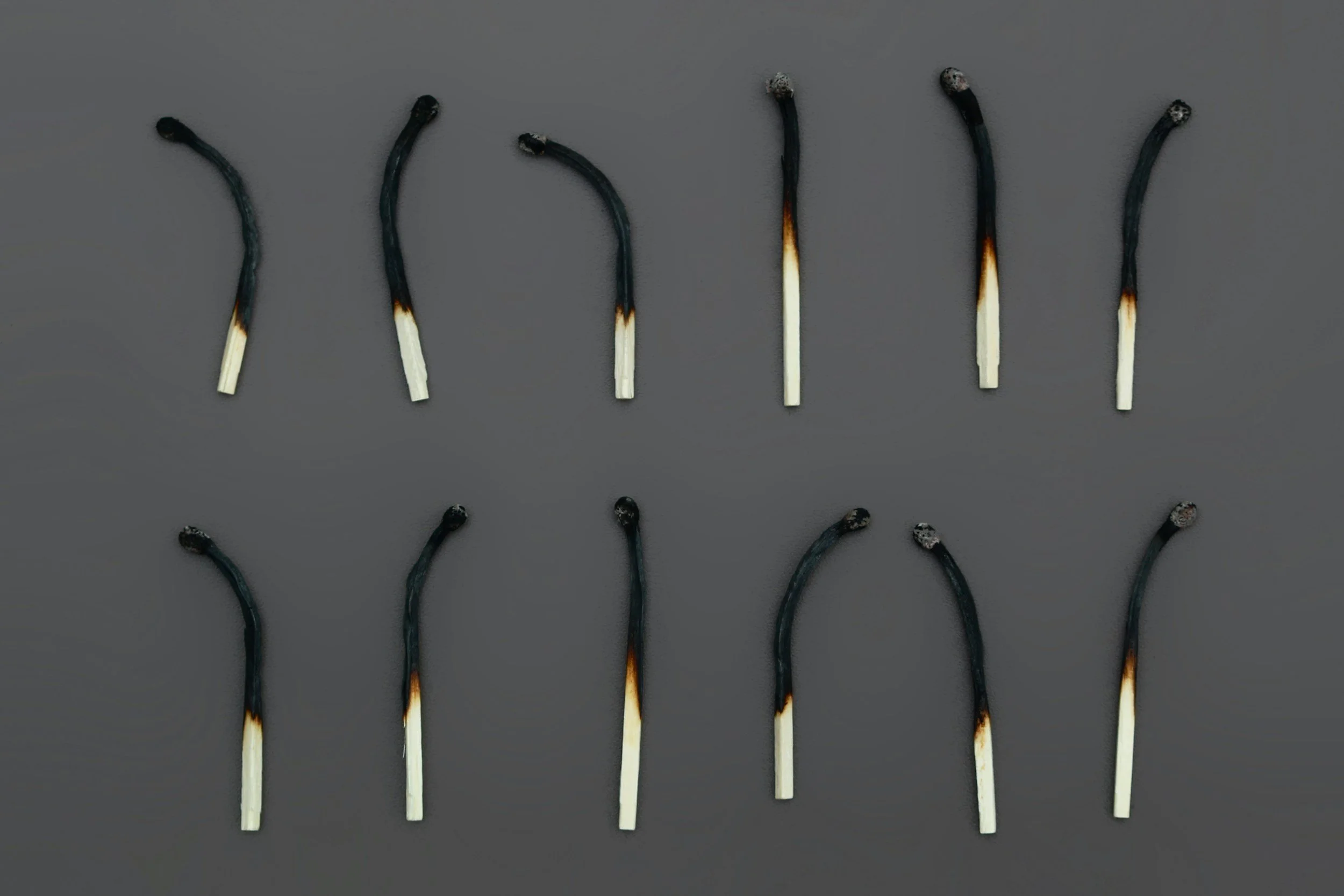
Back in 2018, I hit my first real wall: burnout. It came after starting a massive project—my first enterprise-wide implementation, one that was going to touch the entire organization. At first, I thought it was just the stress of the work, but it wasn’t really that.
What I noticed were the patterns creeping in: nothing seemed to motivate me anymore, I was skipping meals, and I was constantly exhausted. I was burning both ends of the candle, running on empty, and slowly losing the drive that had always fueled me. At the time, I assumed it was depression but looking back, it was classic burnout.
It wasn’t just feeling tired. It was my body, mind, and spirit all running on fumes. And the hardest part? Pushing through it just to keep going. That’s what burnout feels like. It takes over, quietly but completely, leaving you barely able to operate, let alone thrive.
Burnout isn’t just “being tired” or having a bad week. It’ can be a chronic state of emotional, mental, and often physical exhaustion caused by prolonged stress. It can show up differently for different people, but common symptoms include:
Emotional & Cognitive Signs:
Emotional exhaustion or feeling drained
Reduced motivation or sense of purpose
Feelings of ineffectiveness or incompetence
Detachment, cynicism, or apathy
Difficulty concentrating or making decisions
Physical Signs:
Persistent fatigue or low energy
Headaches or tension in the body
Changes in sleep patterns such as trouble falling asleep or staying asleep
Upset stomach, digestive issues, or loss of appetite
Increased susceptibility to illness
Burnout is your mind and body signaling that they’ve been pushed past their limits. Recognizing these signs early is key, because unlike ordinary stress, burnout doesn’t simply go away on its own.
There are a lot of misconceptions about burnout that can make it harder to recognize and address. Let’s clear a few up:
Myth 1: Burnout is just being tired.
Reality: Burnout is chronic exhaustion that affects your mind, body, and emotions. It’s not the kind of fatigue you can fix with a weekend of rest.
Myth 2: Only work causes burnout.
Reality: While work is a common trigger, burnout can come from prolonged stress in any area of life such as caregiving, school, chronic illness, or major life changes.
Myth 3: Taking a vacation will fix it.
Reality: Short breaks can help temporarily, but burnout requires deeper changes like adjusting boundaries, workload, and self-care habits.
Myth 4: Burnout is a sign of weakness or failure.
Reality: Burnout is a response to sustained stress and overload. It’s not a personal flaw. Rather, it’s a signal that your current environment or habits are unsustainable.
Myth 5: Burnout only affects your emotions.
Reality: Burnout affects your whole body. Persistent fatigue, headaches, digestive issues, and sleep disturbances are common physical signs.
Recognizing burnout is the first step toward reclaiming your energy and balance.
If any of this resonates with you, know that you’re not alone. Burnout is common, and it doesn’t mean you’re weak or failing. Sometimes the bravest thing you can do is pause, reflect, and take small steps to care for yourself. Whether that means setting boundaries, seeking support, or simply giving yourself permission to rest, acknowledging burnout is the start of moving toward recovery.
Are you interesting in sharing your burnout story? Sign up here.